
Cache Valley’s climate swings from bitterly cold winters to genuinely hot summers, making energy efficiency one of the most financially meaningful decisions in any custom home design. While every new home in Utah must meet baseline energy code requirements, smart design choices made early can dramatically reduce utility bills for decades beyond what code minimums achieve. Energy-efficient design isn’t a single product or upgrade; it’s a series of coordinated decisions about insulation, air sealing, window placement, and mechanical systems that work together. Understanding these choices helps Logan and Cache Valley homeowners build homes that stay comfortable and affordable to run, year after year.
Why Energy Efficiency Matters in Cache Valley’s Climate
Cache Valley experiences genuine temperature extremes, with winter lows well below freezing for extended stretches and summer days that regularly reach into the 90s.
Climate factors driving efficiency needs:
- Extended winter heating seasons requiring sustained furnace operation
- Summer cooling demands that have grown with recent warmer summers
- Significant day-to-night temperature swings affecting thermal comfort
- Mountain valley positioning that can trap cold air during winter inversions
- Wind exposure on more open lots increasing heat loss through walls and windows
Insulation Strategies That Make the Biggest Difference
Insulation remains the single most cost-effective efficiency investment in most Cache Valley homes.
Insulation priorities worth exceeding code minimums:
- Attic insulation, since heat loss through the roof affects the entire home
- Wall insulation using continuous exterior insulation to reduce thermal bridging
- Basement and foundation insulation, often overlooked but significant in heat loss
- Insulation around window and door openings where gaps commonly occur
- Properly installed insulation without gaps, compression, or missing sections
Window Selection and Placement for Energy Performance
Windows represent one of the weakest points in a home’s thermal envelope, making selection and placement genuinely important.
Window efficiency factors:
- Double or triple-pane glass with appropriate Low-E coatings for Utah’s climate
- U-factor and solar heat gain coefficient ratings matched to each window’s orientation
- Limiting oversized west-facing glass that increases summer cooling loads
- Proper flashing and installation preventing air leakage around frames
- Strategic overhangs reducing summer solar gain while allowing winter sun through
Air Sealing – The Often-Overlooked Efficiency Factor
Even well-insulated homes lose significant energy through small air leaks that insulation alone doesn’t address.
Common air leakage points to seal:
- Gaps around electrical outlets, switches, and recessed lighting
- Penetrations where plumbing and wiring pass through exterior walls
- Joints between the foundation and framed walls
- Attic hatches and recessed lighting fixtures
- Sill plates and other framing connections at the home’s base
Heating and Cooling System Sizing and Selection
An oversized or undersized HVAC system wastes energy and money regardless of how well-insulated the home is.
HVAC selection considerations:
- Accurate load calculations rather than rule-of-thumb sizing
- High-efficiency furnace and air conditioner ratings appropriate for Utah’s climate
- Properly sized ductwork minimizing energy loss during distribution
- Zoned systems allowing different temperatures in different areas of the home
- Programmable or smart thermostats supporting efficient daily operation
Passive Solar Design Principles for Utah Homes
Thoughtful orientation and design can reduce heating and cooling loads before any mechanical system even turns on.
Passive solar strategies:
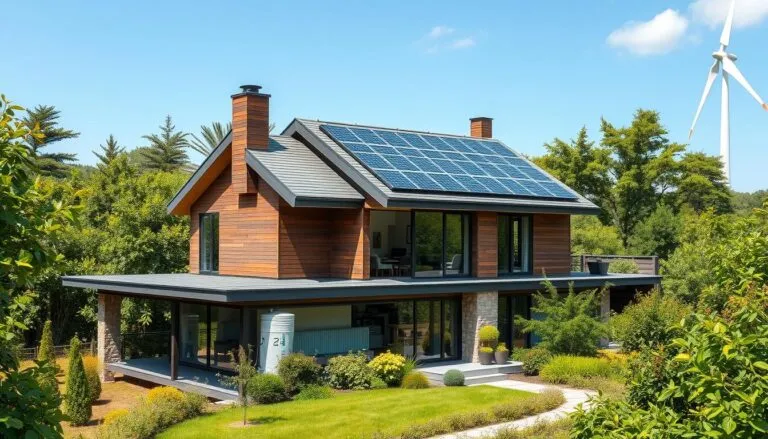
- South-facing glass capturing low winter sun for natural heating
- Roof overhangs sized to block high summer sun while admitting winter light
- Thermal mass materials like concrete or tile absorbing and slowly releasing heat
- Strategic landscaping providing summer shade and winter wind protection
- Room layouts placing frequently used spaces where passive heating benefits them most
Energy-Efficient Water Heating Options
Water heating represents a significant portion of home energy use, and several efficient options now exist beyond standard tank heaters.
Water heating choices to consider:
- Tankless water heaters reducing standby heat loss
- Heat pump water heaters offering significant efficiency gains in moderate climates
- Proper pipe insulation reducing heat loss between the heater and fixtures
- Recirculation systems balanced against their own energy use
- Sizing water heaters appropriately for actual household demand
Utah Energy Code Requirements and Compliance
Every new Cache County home must meet Utah’s adopted energy code, which sets baseline requirements for insulation, windows, and mechanical efficiency.
Energy code compliance basics:
- Minimum insulation R-values required for walls, ceilings, and floors
- Window U-factor and solar heat gain coefficient limits
- Mandatory air sealing and duct leakage testing in many jurisdictions
- Documentation required at permitting showing compliance calculations
- Options for meeting code through prescriptive paths or performance-based modeling
Building Envelope Design and Construction Quality
Energy efficiency depends as much on construction quality as on the materials specified in the plans.
Envelope quality factors:
- Continuous insulation without thermal bridging through framing members
- Properly installed vapor barriers appropriate for Utah’s climate zone
- Quality control during framing to avoid compressed or missing insulation
- Attention to window and door rough openings during installation
- Third-party energy testing such as blower door tests verifying actual performance
Calculating the Long-Term Return on Energy Investments
Energy-efficient upgrades typically cost more upfront but pay back through lower utility bills over the life of the home.
Evaluating energy investment returns:
- Comparing upgrade costs against realistic annual utility savings
- Considering comfort improvements alongside pure financial payback
- Recognizing that some upgrades, like insulation, never need replacement
- Factoring in resale value as efficient homes become more sought after
- Prioritizing upgrades with the fastest payback before pursuing diminishing returns
Build an Energy-Efficient Cache Valley Home
Energy-efficient design helps Cache Valley homeowners stay comfortable through harsh winters and hot summers while keeping utility costs manageable for decades. The right combination of insulation, air sealing, window selection, and mechanical systems makes a measurable difference that compounds year after year.
Poulsen Home Design incorporates energy-efficient principles into every Cache Valley project, going beyond baseline code requirements where it genuinely benefits the homeowner. Mont and Mary-Ellen Poulsen understand which upgrades deliver real value for Utah’s specific climate.
Ready to design an energy-efficient home for your Cache Valley property? Contact Poulsen Home Design at (435) 512-5852 to discuss efficiency priorities for your project. Visit poulsenhomedesign.com to learn more about our design process. Smart energy decisions made during design pay dividends for as long as you own your home.