

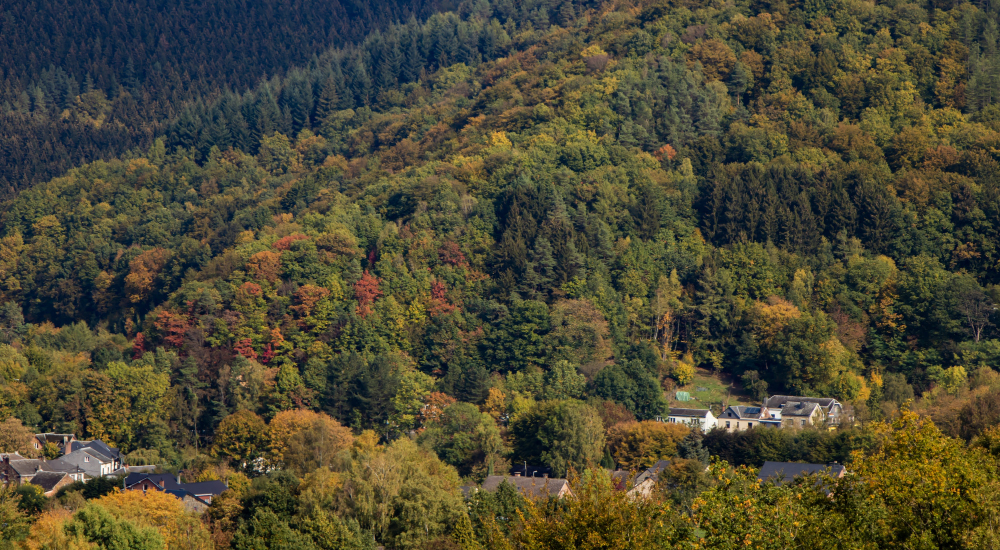
Fall Building Season in Cache Valley: Why September Is the Best Time to Start Your Home Design
Every spring the same thing happens. The snow melts, the ground thaws, and the phone starts ringing with families who want to break ground as soon as possible. And every spring we have the same conversation: the plans are not ready yet. A custom home plan takes weeks to draft, revise, and finalize. Permits take additional weeks to review. Builders book their schedules months out. The families who actually break ground in April or May are not the ones who called in March. They are the ones who sat down with us the previous September.
We have drafted custom plans in Cache Valley since 1997, and the pattern has repeated itself every single year. Fall is when the smart planning happens. Here is why, and here is the timeline that makes it work.
Key Takeaways
- A custom home plan takes six to ten weeks from first meeting to permit-ready drawings
- Builders in Cache Valley book their spring schedules during the winter months, and the best crews fill up first
- Starting your design in September gives you finished plans by November, permits by January, and a builder locked in before the spring rush
- Fall planning also gives you time to finalize your lot, sort out financing, and make design decisions without pressure
- The clients who feel rushed in spring are almost always the ones who waited until spring to begin
The Cache Valley Building Calendar
Understanding how construction works here explains why fall planning matters so much.
September through November: design season
This is when we do our best work, and when you have the most time to think. The pressure of “we need to start digging” is months away, so decisions about room sizes, layouts, and finishes can be made carefully instead of hastily. Our drafting process typically takes six to ten weeks from the first sit down to a finished, permit-ready plan set. Starting in September means finished plans by mid November.
December through February: permit and builder season
With plans in hand, you submit for permits while builders are finalizing their schedules. Cache Valley permit review typically runs two to four weeks, sometimes longer during busy periods. Builders are booking spring starts during this window, and the ones with the best reputations fill up first. Having your plans ready in winter means you are choosing from all available builders, not from whoever is left.
March through May: mobilization
Frost comes out of the ground, excavation becomes possible, and the crews you booked in January show up ready to work. You are not waiting for plans, not waiting for permits, not waiting for a builder to have an opening. You are building.
June through August: construction
Foundation, framing, mechanicals, finishes. A well-planned project moves steadily through summer, which is the most productive building season in northern Utah. If everything started on time in spring, you are looking at a fall or early winter move in, depending on the size and complexity of the home.
For the complete month-by-month breakdown, read our full building timeline from permit to move in.
What Happens When You Wait Until Spring
We are not trying to create urgency where none exists. We are describing what we have watched happen for nearly thirty years.
When you start the design process in March, the earliest you will have finished plans is May. Permit review pushes you into June. By then, the best builders are booked through September. You either wait for a later start, take whoever is available, or rush through design decisions to compress the timeline. None of those outcomes are what you wanted.
The families who feel the most stress during a build are almost always the ones who started their planning too late. Not because they did anything wrong, but because the calendar simply does not bend.
What to Do This September
Walk your lot
If you own land, visit it in fall light. Notice where the sun hits in the morning and afternoon, where the views are strongest, and where the access road comes in. These observations directly shape the home plan. If you do not own land yet, September is also a good time to look, because you will have a clearer sense of what you want once you start the design conversation.
Gather your ideas
Pull together photos, floor plans, links, magazine pages, and notes about what matters to you in a home. Do not worry about organizing them perfectly. Our job is to sort through inspiration and translate it into something that works on a real lot with a real budget. Read our guide to preparing for your first meeting for a full checklist of what to bring.
Set your budget range
You do not need exact numbers yet, but a realistic range helps us design to a target instead of designing in the dark. Our post on Cache Valley build costs breaks down what to expect per square foot so you can start that conversation with real figures.
Book your first meeting
A first meeting with us is free, and it typically runs about an hour. We will look at your lot, your ideas, and your budget and give you an honest assessment of what is possible and what the timeline looks like. From there, the drafting process begins and the calendar starts working in your favor instead of against it.
The Real Cost of Waiting
Waiting does not save money. In most cases, it costs more. Here is why:
- Construction material prices typically rise year over year. A plan that costs $350,000 to build in spring may cost $365,000 or more by the following spring if you miss the window
- Builder availability shrinks as spring approaches. When you are choosing from a smaller pool, you have less negotiating leverage and fewer options for the crew quality you want
- Rushed design decisions lead to change orders during construction, which are the single most expensive line item on any build. A revision on paper costs an hour of drafting time. The same revision after framing costs thousands
- Interest rates and financing terms can shift in a matter of months. Locking in a construction loan with finished plans in hand puts you in a stronger position than applying with plans still in progress
Frequently Asked Questions
How long does it take to design a custom home?
Our typical timeline is six to ten weeks from the first meeting to a finished, permit-ready plan set. Complex plans with multiple revisions can take longer, but most homes fall within that range.
When should I start looking for a builder?
As soon as your plans are close to final, which in the fall timeline means December or January. Builders need a plan set to give you an accurate bid. Having plans ready during winter puts you at the front of the scheduling line.
Can I start designing without a lot?
You can, and we sometimes do preliminary layouts before the lot is finalized. But the lot shapes everything: setbacks, slope, orientation, views, and utility access all affect the plan. The sooner the lot is identified, the more efficient the design process becomes.
What if I am not ready to build until next year?
That is perfectly fine, and honestly ideal. Starting your design a full year before construction means zero rush, time to refine every detail, and the best possible selection of builders when you are ready to break ground.
How much does the design phase cost?
Our drafting is priced by the square foot: $0.80 for main living areas, $0.40 for basements and second floors, and $0.20 for attached garages. A typical 2,500 square foot home with a basement and attached garage runs roughly $2,200 to $2,800 for the full plan set.
The Best Time to Start Was Last Month. The Second Best Time Is Now.
We are not saying this to be clever. We are saying it because we have watched the same calendar play out every year since 1997. The families who enjoy their build are the ones who gave themselves enough time. Fall is that time. The weather is cooling, the urgency is low, and the schedule is open. Six months from now, none of those things will be true.
Poulsen Home Design has drafted custom plans for Cache Valley families since 1997. Mont and Mary-Ellen Poulsen spent years as general contractors before moving to design and drafting full time, so every timeline we lay out is measured against how projects actually unfold on real job sites.
The schedule is open right now. Call Poulsen Home Design at (435) 512-5852 or visit poulsenhomedesign.com to start your fall design, and give yourself the one thing every spring builder wishes they had: enough time.