
Nowadays, the goal of house design in the ever-evolving area of architecture is to create a lifestyle rather than just a place to live. As technology advances and aesthetic preferences shift, more and more homeowners are looking for houses that exhibit uniqueness, creativity, and sustainability. Whether you’re envisioning a luxury home design that highlights luxury, a small house design that maximizes efficiency, or a modern house design with sleek lines, today’s architecture blends art and practicality to create homes that seem both inspirational and deeply personal.
-
The Evolution of Modern Residential Architecture
The foundation of modern house design is minimalism, simplicity, and purpose. Overly elaborate designs are eschewed in favor of open layouts, clean shapes, and natural light. This early 20th-century design approach emphasizes the relationship between structure and function. Materials that balance strength and beauty, such as steel, glass, and concrete, usually dominate the palette.
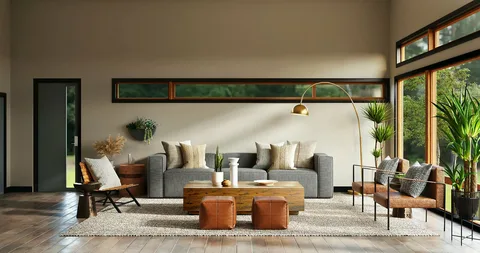
One of the distinctive features of modern architecture is its link to nature. The distinction between indoor and outdoor areas is blurred by large windows and sliding doors that let in plenty of sunlight and fresh air. The result is a space that seems spacious, calm, and inviting. Because it prioritizes comfort and clarity without sacrificing flair, this design is well-liked by homeowners who desire a clutter-free environment.
Intelligent technology is also commonly integrated into modern house design. Automated lighting, temperature, and security systems not only increase convenience but also encourage energy efficiency, a crucial aspect of responsible living in the twenty-first century.
-
The Beauty of Small House Designs
In a world where sustainability and simplicity are becoming more popular, small house design has grown to be a significant phenomenon. Smaller houses demonstrate that thoughtful use of space, not scale, is the key to outstanding design. As evidenced by architects and interior designers constantly pushing the boundaries of creativity, small houses can be just as fashionable and functional as bigger ones.
Small dwellings inspire intentional living. Owners are urged to put quality before quantity since every inch is purpose-built. Open floor layouts, multifunctional furniture, and inventive storage solutions make even the tiniest areas seem comfortable and clutter-free. Additionally, as smaller spaces consume less energy and have a lesser environmental impact, the smaller footprint aligns nicely with the growing emphasis on sustainability.
The allure of small house design lies in its efficacy and closeness. Every element, from cozy reading nooks to little lofts, has a purpose and improves the home’s aesthetic appeal. Younger generations, pensioners, and environmentally conscious homeowners who value experiences over material possessions and simplicity over luxury are drawn to this trend.
-
The Allure of Beautiful Home Designs
Luxury home designs—which provide elegance with a modern twist—keep evolving as minimalism becomes more and more fashionable. Nowadays, experience, comfort, and customization—rather than merely size or extravagance—are what characterize luxury. Modern luxury houses expertly blend state-of-the-art technology, high-end materials, and traditional design features to create spaces that seem both lavish and cozy.
Modern luxury houses today frequently have designer kitchens, spa-inspired baths, smart home connections, and advanced lighting systems. However, what truly defines luxury is the artistry and attention to detail—the way textures, finishes, and natural materials come together to create a visual and sensuous delight.
It’s interesting to note that many upscale homes nowadays use ideas from modern and compact design philosophies. Open floor plans, minimalist décor, and energy-efficient materials are becoming more and more common in upscale homes, proving that sustainability and luxury can coexist. These days, luxury is more about balance and personalization than it is about sheer excess, whether it takes the form of a tranquil rural property or a modern penthouse in the city.
-
Similarities Between Styles of Design
The three primary goals that modern house design, small house design, and luxury home designs all appear to have are functionality, comfort, and innovation. They all show a deeper shift in how we think about living spaces—not just as static structures, but as dynamic environments that foster well-being and reflect personal values.
Sustainability: In a variety of styles, solar panels, environmentally friendly materials, and efficient insulation are becoming more and more standard.
Smart Technology: Automation makes living easier and uses less energy for everything from lights to appliances.
Open Concept Living: Walls are being replaced with flowing spaces that encourage adaptability and connection.
Natural Light and Materials: In order to create a sense of calm and harmony with nature, wood, stone, and greenery are necessary.
Each design idea contributes to a broader movement toward meaningful living—homes that promote both physical and mental well-being.
-
The Impact of Personalization on Interior Design
Home design is a very individualized process. Trends have an impact on aesthetics, but the finest designs are those that reflect the homeowner’s beliefs, goals, and lifestyle. A young professional may value a small house design with functional workstations more than a developing family, which may prefer a modern house design that promotes adaptability and open communication. Similarly, for those who view their home as a statement of achivement, luxury home designs may inspire creativity out of aspiration.
The customisation process includes layout, color schemes, and materials. Neutral colors and natural materials provide a timeless look, but eye-catching accent walls or eye-catching lighting add character. Every decision, such as the placement of windows and the type of flooring
-
Balancing Aesthetics and Function
The most successful homes strike a balance between elegance and practicality. Beautiful exteriors and complex interiors are pointless if they don’t satisfy the demands of the people. For this reason, an increasing number of architects see design as a collaboration between creativity and practicality. Features like integrated storage, energy-efficient technologies, and flexible layouts allow each component to serve a purpose without compromising visual appeal.
An example of functionality in a modern house design would be open floor layouts that maximize natural airflow and allow for flexibility. It is possible to incorporate hidden storage or furnishings that may be converted into a small house design. By including entertainment rooms, wellness spaces, and state-of-the-art technology, luxury home designs often transform functionality into comfort.
-
The Future of Residential Architecture
Looking ahead, two essential elements of future house design will be inventiveness and flexibility. Climate change, urban density, and lifestyle shifts are all having an impact on how architects design living areas. We may anticipate more modular structures, environmentally friendly materials, and biophilic designs that emphasize our connection to the natural world. Homes that are smarter, greener, and more adaptable will be able to quickly adapt to the changing demands of their occupants.
In order to help homeowners build distinctive, cozy, and energy-efficient living spaces, AI-assisted design tools, intelligent temperature management, and energy optimization technologies will all remain essential.