
Homes are more than walls and roofs. They reflect how people live, connect, and create memories. Design thinking changes how we approach building and shaping homes. It focuses on functionality, aesthetics, and long-term comfort. Instead of seeing a house as a static structure, this approach treats it as a living space that adapts to human needs. Furthermore, it highlights creativity while solving practical problems. Whether it’s modern house design or drafting and design services, design thinking guides every decision. Additionally, it ensures homes are not only beautiful but also deeply meaningful. That’s why thoughtful design matters today.
Rethinking Spaces for Daily Living
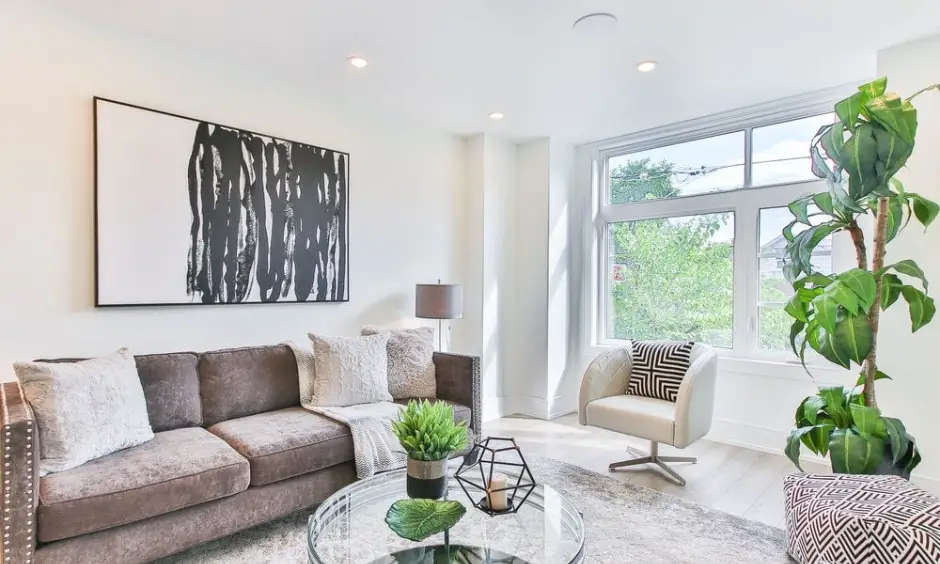
Design thinking begins with getting to know how people transform their ways of functioning in their home on a daily basis. Instead of making use of generic layouts, it examines motion, comfort, and usefulness. This brings contemporary house design nearer to being more personal and more practical. As an example, they can make the kitchens the hub of action instead of hiding them into corners. Living rooms are designable in a way that it could be both relaxing and interacting.
More so, home exterior design will also help in the process. The exterior of a house establishes what is going on inside. Aesthetically pleasing exterior not only makes the house attractive to the eye, but also makes a homeowner feel more of a sense of belonging. Drafting and design processes also make a situation whereby these ideas are brought to reality by converting them into detailed plans.
Through a shift in thinking, spaces can be thought of as more than just buildings, as they can be thought of as solutions to everyday life. POULSEN HOME DESIGN uses this approach to ensure families feel that the space is natural and custom made to their lifestyles.
Balancing Functionality and Style
A good home will be practical and at the same time elegant. Design thinking makes spaces not merely look good, but have practical values as well. This balance is adorned in the contemporary house design through smart storage with open layouts. This prevents crowding yet there is a flow effect in place.
Also, the style is not something constrained to interiors. During home exterior design, there must be a sense of balance. All materials, colors, and landscaping need to compliment the structure, as well as, be of low maintenance and durable. Moreover, with drafting and design investment, individuals can consider what is possible in terms of combining aesthetics and utility prior to initiating the process of construction.
This equilibrium is important as style can go out of fashion, however, functionality will always result in longevity. Take as an example a sleek staircase; this should be safe as well as provide accessibility. Likewise, a wide window does not only need to provide a framed view characterized, but also, enhance the ambient lighting. Both integrate perfectly into each other so that the homes that are designed are of longevity both in shape and purpose.
The Role of Innovation in Homes
Design thinking is centered on innovation. The homes of today are not merely clones of yester years homes; it is rather the adaptation to changing ways of life. New design concepts of modern house designs embrace the energy efficiency, smart technology along with flexible arrangements. Also, it picks up an increasingly important demand for sustainable options without betraying beauty.
The exterior design of homes also does well when innovations are applied. Use of solar panels, materials, and landscapes that are able to be exposed to weather, and landscaping that is ecologically friendly are some ways through which design meets the environmental responsibility. Drafting and design services assist in this innovation because homeowners can have the opportunity to see what changes look like before investing. This minimizes errors, saves on money and makes wiser decisions.
Additionally, innovation helps the homes become future ready. Families change, and the same should be the case of spaces. It can be as simple or as complex as an extension to build a home office or a play area or even a multi-purpose basement and with design thinking allocate some kind of adaptability to the same. One aspect that we take seriously at POULSEN HOME DESIGN is being innovative; to achieve this we have come up with creative solutions that incorporate the use of technology, sustainability, and timeless style in every project.
Creating Emotional Connections with Spaces
Houses are not mere structures; they have an emotional connotation as well. Connection cannot be grasped like that without the aid of design thinking. With the emphasis on how people feel within a space, a warm and comfortable atmosphere can be established in contemporary house design. As an illustration, natural light can make one feel good while the intimate areas will make one tend to relax.
Moreover, the design of home exterior determines these feelings. A nice front porch or a well thought out entryway heralds this before entering inside. Also, colors, texture and landscaping can impact the way homeowners and visitors feel about a property.
Drafting and design professionals also contribute to such an emotional aspect. They work together with the families so that the blueprints not only accommodate the technical requirements, but also the narratives of the family. An example is a family that enjoys entertaining may give importance to spacious dining places, whereas a person that values quiet may be interested in relaxing outdoor scenery. With the combination of broad feelings and the design, houses become vivid places to live where memories become alive.
Improving Value Through Thoughtful Planning
Design thinking is not only aesthetic but it also provides a home with better value. Modern house design is concerned with long-term use, which goes right to the property value. Open designs, exposure to sunlight and energy-saving features enhance home desirability to future targeted locations.
In addition, the exterior design of the house is very crucial in curb appeal. The exteriors make first impressions so it pays to plan a lasting worth. Furthermore, building drafts and designs won’t picture over any details cutting considerable expenses in the implementation process or refurbishment. Such careful planning secures investments and makes usability better.
Additionally, value is not financial only. A well thought out house is more time effective, less stressful, and enhances living conditions. Efficient kitchens, organised storage and well-ventilated rooms make lives more convenient on a daily basis. Design thinking by looking at value in different ways makes sure that the homes are not only practical, but also profitable. It makes any of the decisions a step toward a lifetime of comfort and sustainability.
The Future of Home Design Thinking
Due to the change of lifestyles, the design of homes should change as well. The future is to be flexible in the arrangement, sustainable in materials and use spaces that offer a variety of uses. The trend to it is already evident in the modern house design since there are open but flexible spaces where work, family, and leisure have their home.
Beyond that, home exteriors will still be changing toward the more environmentally conscious gifts of using energy-efficient cladding and local landscaping. Drafting and design software will also be more elaborate as home owners will be able to visualize a project in a three dimensional view before it is actually built. This eases the working process and the results are more accurate.
Moreover, design thinking will continue to be the driving force. It makes certain that homes do not undergo the tendency to follow the fads but can offer long-term remedies. The sentiment of families that want smart, flexible and meaningful houses will not stop. By appealing to this strategy, designers and homeowner entrepreneurs can collectively create spaces that legitimately connote the way we live.
Conclusion
Design thinking redefines how we view our homes. It bridges the gap between style, comfort, and innovation. Furthermore, it emphasizes planning, personalization, and emotional connection. Whether through modern house design, home exterior design, or drafting and design services, this approach makes living spaces smarter and more valuable. Additionally, it prepares homes for the future while keeping them deeply personal. POULSEN HOME DESIGN believes in this philosophy, offering solutions that transform ideas into inspiring realities. By applying design thinking, every home can move beyond being a structure—it can become a space that truly enhances life.