
You’ve been sketching ideas for your construction project on napkins and notebook paper. The vision exists clearly in your mind but contractors keep asking for proper drawings. You need professional plans that translate your ideas into buildable reality.
Drafting and design services turn concepts into construction-ready documents. These professionals combine creative vision with technical precision. They produce the detailed plans builders need while keeping your aesthetic goals front and center.
This guide covers everything you need to know about drafting and design. You’ll learn how these services work together, what they cost, and how to choose the right team for your project.
What Is the Difference Between Drafting and Design?
Design focuses on creating the original concept and aesthetic. Designers develop spatial layouts, choose materials, and establish the project’s look and feel. They think about how spaces function and flow together. Design answers the “what” and “why” of your project.
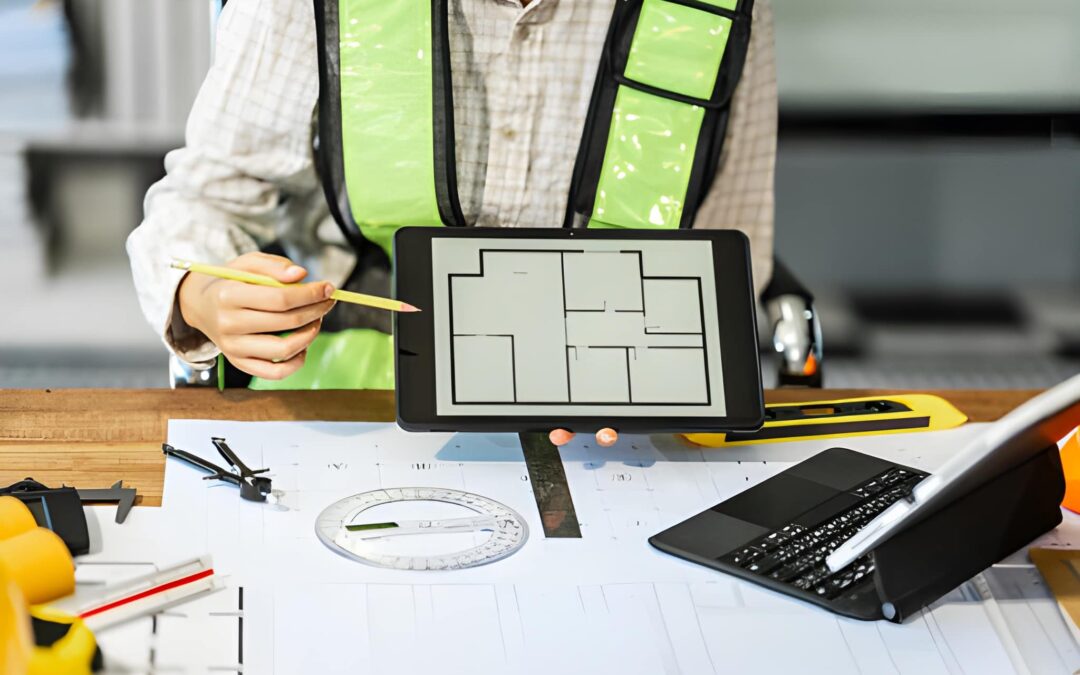
Drafting translates design concepts into technical documents. Drafters create measured drawings with precise dimensions and specifications. They produce construction documents that contractors and building departments can read. Drafting answers the “how” of building your design.
Modern drafting and design often happens simultaneously. Designers sketch concepts while drafters begin technical drawings. This collaboration catches problems early and keeps projects moving forward. Integration between both disciplines produces better results.
Computer-aided design software changed how professionals work. Programs like AutoCAD, Revit, and SketchUp handle both design and drafting. The same software creates 3D renderings and technical construction documents. Technology blurred the lines between traditional roles.
Small firms often combine both services under one roof. A single professional might handle design development and technical drafting. This streamlined approach works well for residential projects. Larger commercial work typically separates design and drafting teams.
How Much Do Drafting and Design Services Cost Together?
Combined services offer better value than hiring separately. Integrated drafting and design for home additions costs $1,500 to $4,000. Complete new home packages range from $3,000 to $12,000 depending on size and complexity. Custom luxury homes push costs to $15,000 or higher.
Hourly rates for combined services run $75 to $150 across the United States. Junior designers charge lower rates for straightforward projects. Senior professionals with extensive portfolios command premium prices. Expect higher rates in major metropolitan areas.
Package pricing simplifies budgeting for standard projects. Many firms offer set prices for common work types. Kitchen remodels might cost $2,000 to $5,000 for complete drafting and design. Bathroom renovations run $1,200 to $3,500 depending on scope.
Per-square-foot pricing works for new construction. Residential projects typically cost $2 to $5 per square foot for complete services. A 3,000-square-foot home costs $6,000 to $15,000. Commercial work ranges from $3 to $8 per square foot.
Revision allowances vary by contract terms. Most agreements include two to three revision rounds. Each additional change costs $150 to $750 depending on complexity. Major redesigns require new proposals and pricing.
Payment schedules protect both parties. Typical structures request 30 percent upfront, 40 percent at design approval, and 30 percent upon completion. Some firms charge 50 percent down for smaller projects. Clear payment terms prevent disputes.
What Services Are Included in Drafting and Design Packages?
Initial consultations establish project parameters. You discuss your vision, budget, and timeline with the team. Professionals ask questions about lifestyle needs and aesthetic preferences. This meeting sets the foundation for successful collaboration.
Conceptual design development creates your project’s visual direction. Designers produce sketches and rough layouts showing spatial arrangements. You review multiple options before selecting a direction. This phase shapes the project’s overall character.
Space planning optimizes room layouts and traffic flow. Designers arrange spaces for maximum functionality and comfort. They consider furniture placement, door swings, and circulation patterns. Good space planning makes homes feel larger and work better.
Material and finish selections specify every visible element. Your drafting and design team recommends flooring, countertops, cabinets, and fixtures. They provide samples and help you make informed choices. These decisions affect both appearance and budget.
Construction documentation produces the technical drawings contractors need. Complete sets include floor plans, elevations, sections, and detail sheets. Electrical and plumbing layouts show system locations. These documents form your building permit application.
3D visualization helps you see the finished project before construction. Modern software creates photorealistic renderings from any angle. Virtual walkthroughs let you experience spaces digitally. These tools prevent costly mid-construction changes.
Why Should You Hire Integrated Drafting and Design Services?
Seamless collaboration prevents communication breakdowns. When one team handles both design and drafting, information flows smoothly. Designers and drafters work side by side solving problems together. This integration eliminates the back-and-forth between separate companies.
Faster project timelines benefit from unified workflows. Combined services eliminate waiting periods between design and drafting phases. Teams start technical drawings while refining design details. Simultaneous work cuts weeks from project schedules.
Cost savings come from bundled service packages. Hiring separate design and drafting firms costs 20 to 35 percent more than integrated services. You pay one team instead of two. Package deals offer better rates than individual contracts.
Consistent quality standards apply across all documents. The same firm maintains design intent through technical drawings. Nothing gets lost in translation between designers and drafters. Your vision stays intact from concept to construction.
Single-point accountability simplifies project management. You work with one company throughout the process. Questions and concerns go to the same contact. This arrangement prevents finger-pointing if problems arise.
Better problem-solving happens when teams work together daily. Designers and drafters immediately address conflicts between aesthetics and buildability. Creative solutions emerge from constant collaboration. Projects benefit from combined technical and creative thinking.
How Do You Choose the Right Drafting and Design Team?
Portfolio review reveals style compatibility and experience level. Ask to see completed projects similar to yours. Good firms show diverse work demonstrating versatility. Look for projects that match your aesthetic preferences.
Educational background indicates technical knowledge. Designers often hold bachelor’s degrees in architecture or interior design. Drafters typically have associate degrees or technical certifications. Combined experience in both fields creates stronger teams.
Software capabilities affect project quality and options. Modern firms use industry-standard programs like AutoCAD, Revit, and SketchUp. Advanced software produces better visualizations and more accurate drawings. Ask about their technical tools during consultations.
Local knowledge prevents permitting problems. Teams familiar with your area understand regional building codes. They know local permit office procedures and requirements. This experience speeds up approval processes significantly.
Communication style impacts your working relationship. Your team should listen carefully and ask thoughtful questions. They need to explain technical concepts in simple terms. Good chemistry makes projects more enjoyable and successful.
Client references provide honest feedback about real experiences. Contact previous customers to discuss their projects. Ask about responsiveness, accuracy, and budget management. Satisfied clients enthusiastically share recommendations.
What Should You Expect During the Drafting and Design Process?
Discovery meetings launch the project properly. You’ll discuss your vision, needs, and constraints in detail. Bring inspiration images, sketches, and lists of must-have features. The team asks questions to understand your goals completely.
Preliminary design presentations show initial concepts. Expect to see rough sketches or basic 3D models. Review multiple layout options and design directions. Provide clear feedback to guide the next development round.
Design refinement incorporates your input. The team adjusts layouts, materials, and details based on your comments. This iterative process continues until you approve the design. Most projects need two to four refinement rounds.
Technical drawing development begins after design approval. Drafters create detailed construction documents with precise measurements. They coordinate with engineers for structural and mechanical systems. This phase takes two to four weeks for typical residential projects.
Permit preparation packages all documents for building department submission. Your drafting and design team organizes drawings according to local requirements. They include necessary calculations and supporting documentation. Proper preparation speeds up approval times.
Construction support services help during the building phase. Many firms offer contractor coordination and site observation. They answer questions about plans and verify work matches drawings. This ongoing support prevents costly mistakes and misinterpretations.
You may also read: Small House Design: 13 Brilliant Ideas That Maximize Space
How Long Does the Complete Drafting and Design Process Take?
Simple renovations need four to six weeks total. Small additions and basic remodels fall into this timeframe. Limited design options and straightforward construction speed up the process. This includes one revision round.
Standard new home projects require eight to twelve weeks. Custom designs need more development time than stock plans. The process includes multiple design reviews and complete technical drawings. Factor in time for engineering coordination.
Complex custom homes take twelve to sixteen weeks. Unique architectural features require detailed documentation. Multiple revision rounds extend timelines naturally. Structural and mechanical engineering add time to schedules.
Commercial projects extend to sixteen to twenty-four weeks. These buildings involve extensive code compliance work. Multiple consultants coordinate through the drafting and design phases. Larger scope creates longer timelines.
Rush service availability varies by firm workload. Some teams offer expedited service for 25 to 50 percent premium fees. Expect timeline reductions of 30 to 40 percent with rush service. Quality shouldn’t decline with faster delivery.
Permit processing happens after design completion. Building departments take two to eight weeks for plan review. Simple residential permits process faster than commercial work. Factor this time into your construction schedule planning.
Drafting and design services work together to bring your building vision to life. Integrated teams offer better communication, faster timelines, and more consistent results than hiring separately. Their combined skills produce both beautiful and buildable projects. Choose experienced professionals who understand your goals and communicate clearly. Quality drafting and design services pay dividends through smooth construction and long-term satisfaction with your completed project.
Conclusion
The power of combining drafting and design services lies in seamless transformation of creative ideas into construction-ready reality. When these disciplines work together, your project benefits from unified vision, efficient communication, and consistent quality. No detail gets lost, no time is wasted, and no compromise occurs between beauty and buildability. This integrated approach saves you 20 to 35 percent compared to hiring separate firms while delivering faster timelines and superior results.
Ready to experience the advantages of integrated drafting and design services? At Poulsen Home Design, we combine creative design expertise with precise technical drafting to deliver comprehensive solutions for your project. Our team guides you through every step—from initial concepts and space planning to detailed construction documents and permit-ready plans. We’re committed to understanding your unique vision and translating it into buildable reality, ensuring your project proceeds smoothly from first sketch to final approval. Visit us at poulsenhomedesign.com today to schedule your consultation and discover how our integrated services can transform your ideas into plans you’ll be proud to build. Your dream project starts with the right team.