
You have a brilliant vision for your dream home or renovation project. The ideas are clear in your mind but translating them into buildable plans feels impossible. Your contractor needs detailed drawings before starting any work.
Architectural drafting services bridge the gap between your vision and reality. Professional drafters create accurate technical drawings that contractors, engineers, and building departments can understand and approve. These precise plans prevent costly mistakes and construction delays.
This guide explains everything you need to know about hiring drafting services. You’ll learn what drafters do, how much services cost, and how to choose the right professional for your project.
What Do Architectural Drafting Services Include?
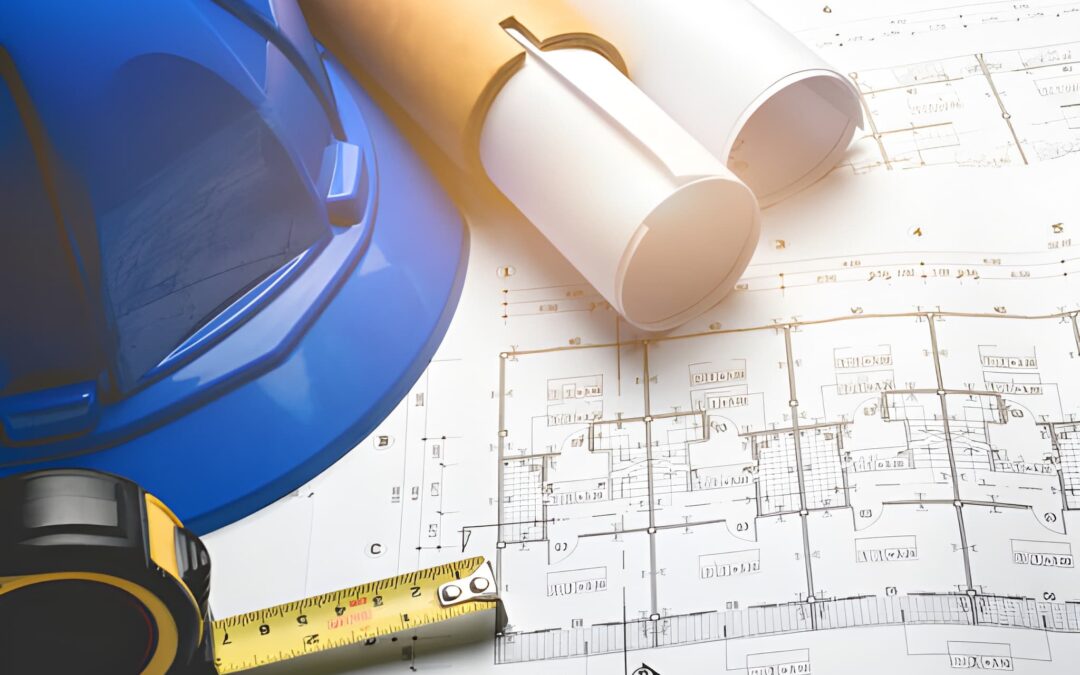
Floor plan creation forms the foundation of any project. Drafters draw accurate layouts showing room dimensions, wall placements, and door locations. These plans include measurements, material specifications, and structural details. Every element appears to scale for precise construction.
Elevation drawings show exterior views from all sides. These documents illustrate roof lines, window placements, and exterior finishes. Contractors use elevations to understand the building’s vertical design. They show how your home looks from street level.
Site plans display your property boundaries and building placement. These drawings include setback requirements, utility locations, and drainage patterns. Local building departments require site plans for permit approval. They verify your project meets zoning regulations.
Cross-section drawings reveal internal construction details. These cuts through the building show wall assemblies, ceiling heights, and foundation systems. Contractors need sections to understand how different building components connect. Complex projects require multiple section views.
3D renderings bring designs to life before construction begins. Modern architectural drafting services often include photorealistic visualizations. These images help you see exactly how finished spaces will look. They make design decisions easier and catch problems early.
How Much Do Architectural Drafting Services Cost?
Hourly rates for drafting services range from $50 to $130 across the United States. Entry-level drafters charge lower rates for simple projects. Experienced professionals with advanced software skills command premium prices. Complex commercial work costs more than residential drafting.
Flat-rate pricing works better for standard projects. Simple room additions cost $500 to $2,000 for complete drawing sets. Full house plans run $2,000 to $8,000 depending on size and complexity. Custom homes with unique features push costs to $10,000 or higher.
Per-square-foot pricing applies to larger projects. Residential work typically costs $1 to $3 per square foot. A 2,500-square-foot home design costs $2,500 to $7,500 for drafting services. Commercial projects range from $2 to $5 per square foot.
Revision fees add to your total cost. Most contracts include two to three revision rounds. Each additional revision costs $100 to $500 depending on scope. Major design changes require new calculations and cost more than minor adjustments.
Rush fees apply when you need fast turnaround. Standard projects take two to four weeks for completion. Expedited service costs 25 to 50 percent more than regular rates. Plan ahead to avoid these extra charges.
Location affects pricing significantly. Drafters in major metropolitan areas charge more than rural providers. California and New York rates exceed national averages by 20 to 40 percent. Remote services eliminate geographic pricing differences.
Why Do You Need Professional Architectural Drafting Services?
Building permits require proper documentation. Local building departments won’t approve projects without complete drawing sets. Professional drafters know local code requirements and submission standards. Their work speeds up the approval process dramatically.
Construction accuracy depends on clear drawings. Verbal instructions and rough sketches lead to expensive mistakes. Detailed plans eliminate guesswork for contractors and subcontractors. Everyone works from the same accurate information.
Structural integrity requires proper calculations. Drafters work with engineers to size beams, joists, and foundations correctly. These calculations keep your building safe and code-compliant. DIY drawings often miss critical structural requirements.
Material estimates become accurate with detailed plans. Contractors bid projects based on drawing specifications. Complete documents reduce change orders during construction. Accurate estimates prevent budget overruns and project delays.
Design optimization happens during the drafting phase. Professional drafters spot potential problems before construction starts. They suggest improvements that save money or improve functionality. Their experience prevents common design mistakes.
Property value increases with proper documentation. Complete as-built drawings help with future renovations. They provide records of hidden systems like plumbing and electrical. These documents transfer value to future owners.
How Do Architectural Drafting Services Differ from Architects?
Drafters focus on technical drawing creation. They translate design concepts into buildable plans. Most drafters hold associate degrees or technical certifications. They excel at CAD software and building code knowledge.
Architects handle complete design development. They create original designs and manage entire projects. Architects need professional licenses and advanced degrees. Their services include design, drafting, engineering coordination, and construction oversight.
Licensing requirements vary by state. Some states allow drafters to prepare plans for small residential projects. Other states require architect stamps on all construction documents. Check your local regulations before hiring.
Cost differences make drafters attractive for simple projects. Architectural drafting services cost 40 to 60 percent less than full architectural services. Small additions, remodels, and standard homes don’t need full architect involvement.
Project complexity determines which professional you need. Custom designs with unique structural elements need architects. Standard additions and renovations work fine with experienced drafters. Commercial projects almost always require licensed architects.
What Should You Look for When Hiring Architectural Drafting Services?
Software proficiency matters for modern projects. AutoCAD and Revit dominate the industry. Drafters skilled in these programs produce accurate, detailed drawings. Ask about software capabilities during initial consultations.
Local code knowledge prevents permit problems. Experienced drafters know regional building requirements. They understand setback rules, height restrictions, and energy codes. This knowledge saves time during the approval process.
Portfolio review reveals experience level. Ask to see completed projects similar to yours. Good drafters show variety in their work samples. Look for clean, detailed drawings with clear dimensions and notes.
Communication skills make projects run smoothly. Your drafter needs to understand your vision completely. They should ask questions and offer suggestions. Clear communication prevents misunderstandings and revisions.
References from past clients provide honest feedback. Contact previous customers about their experiences. Ask about accuracy, timeliness, and responsiveness. Satisfied clients gladly share their opinions.
Insurance coverage protects you from liability. Professional liability insurance covers errors in drawings. General liability insurance handles accidents during site visits. Verify coverage before signing contracts.
How Long Do Architectural Drafting Services Take?
Simple projects need one to two weeks for completion. Room additions and basic remodels fall into this category. Drafters can complete straightforward work quickly. Limited revisions keep timelines short.
Standard home designs require three to four weeks. New construction for typical houses involves multiple drawing types. This includes floor plans, elevations, sections, and details. The process allows time for one revision round.
Complex custom homes take six to eight weeks. Unique designs need more detailed documentation. Multiple revision rounds extend timelines. Structural engineering coordination adds time to the schedule.
Commercial projects extend to eight to twelve weeks. These buildings require extensive code compliance documentation. Multiple disciplines coordinate through the drafting phase. Large projects involve numerous detail sheets.
Permit processing happens after drafting completion. Building departments take two to six weeks for review. Simple projects process faster than complex commercial work. Plan total timelines including permit approval.
Rush service cuts timelines by 30 to 50 percent. Expect to pay premium rates for faster delivery. Drafters prioritize rush work over standard projects. Quality shouldn’t suffer with expedited service.
What Information Do You Need to Provide for Drafting Services?
Property surveys establish boundaries and dimensions. Current surveys from licensed surveyors work best. Old surveys might need updating. Accurate property information prevents legal problems.
Existing condition documentation helps with remodels. Photos of current spaces show drafters what exists. Measurements of rooms and ceiling heights provide starting points. Note locations of windows, doors, and built-ins.
Design preferences guide the drafting process. Collect images of styles you like. Describe your vision in detail. List must-have features and room requirements. Clear direction produces better results faster.
Budget constraints affect design decisions. Tell your drafter your spending limits upfront. They can design within financial parameters. This prevents creating plans you can’t afford to build.
Building code information varies by location. Provide your property address for code research. Mention any homeowner association requirements. Special restrictions affect plan development.
Timeline expectations need clear communication. State your desired completion date. Explain any construction schedule constraints. Realistic timelines produce better quality work.
Architectural drafting services transform your building dreams into concrete reality. Professional drafters create the detailed plans contractors need for successful construction. Their technical skills and code knowledge prevent expensive mistakes and delays. Choose experienced professionals who communicate well and understand your vision. Quality drafting services pay for themselves through accurate construction and smooth permit approval.
You may also read: Best Home Design: 14 Timeless Principles That Create Beautiful Homes
Conclusion
Professional architectural drafting services bridge the gap between imagination and construction. Quality drafting pays dividends throughout your project—from smooth permit approval to accurate bids to flawless execution. The right drafting professional, with local code expertise and modern CAD skills, ensures your project proceeds without frustrating obstacles. Quality plans solve problems before construction begins, optimize designs for functionality and budget, and provide documentation that protects your investment for years.
Ready to transform your ideas into detailed, buildable plans? At Poulsen Home Design, we specialize in comprehensive architectural drafting services that combine technical precision with creative problem-solving. Our experienced team creates detailed construction documents that meet all code requirements while staying true to your vision and budget. From initial floor plans to complete permit-ready drawing sets, we handle every aspect of the drafting process with professionalism and attention to detail. Visit us at poulsenhomedesign.com today to schedule your consultation and take the first step toward making your building dreams a reality. Your perfect plans are waiting to be drawn.