
Compact living is no longer just a necessity; it is becoming a conscious choice across the world. People are embracing smaller spaces with smarter layouts and sustainable solutions. Furthermore, rising housing costs, urbanization, and environmental awareness drive this shift. Compact homes highlight functionality without compromising comfort. Additionally, design innovation makes small spaces feel open and inviting. From clever layouts to stylish exteriors, thoughtful planning ensures these homes fit modern lifestyles. Brands like POULSEN HOME DESIGN understand this growing demand and provide solutions that balance style with efficiency. Ultimately, compact living is not about less space—it is about living better.
Maximizing Space with Smart Design
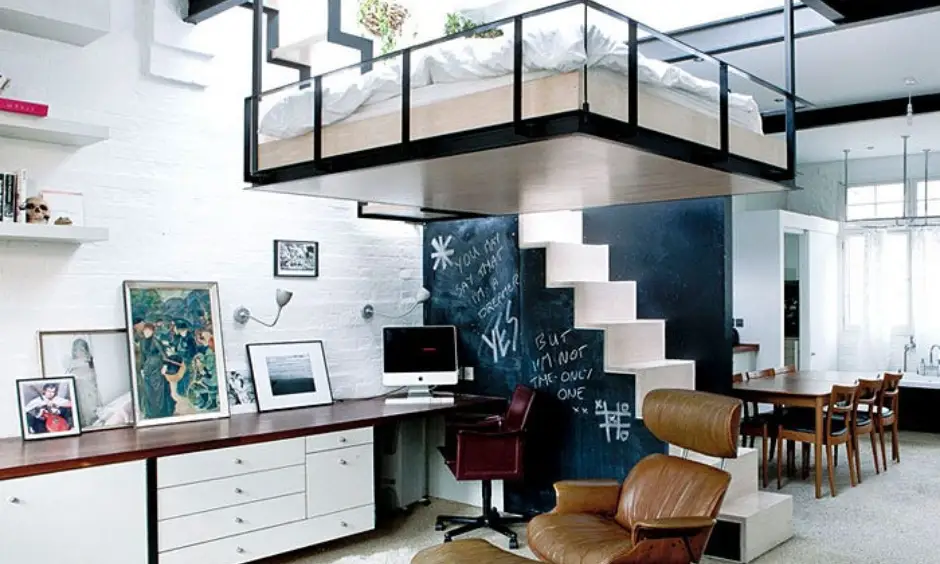
Small spaces were made to work. Space is very precious and therefore intelligent design makes homes look larger than what they really are. In addition, amenities such as storage being integrated, multi-purposed furniture, and an open plan promote convenience. This is the design of small houses as the focus is shelving and lofts or other innovative ways to make the most of vertical space.
Moreover, natural light and neutral coloring are used by the designers to make the interiors more spacious. The open shelves and mirrors are also used to create depth with no clutter in the layout. The functionalism of small dwellings can be an art in itself because of its capability to make the two aspects co-exist.
The current renovation techniques make sure that these houses stay in shape as the family is expanding or the professionals looking to keep their lives simple. As an example, the storage is incorporated into the layout of the kitchens, whereas bedrooms can be used as offices. POULSEN HOME DESIGN strives to make homes that reflect this optimistic ideal. Well designed small spaces provide comfort and convenience. This is because this solution indicates that minimal living is not limiting- it is freeing.
The Role of Exterior Appeal
The outside of the home pictures the personality. Living compactly does not imply that there is any compromise on beauty or elegance. Moreover, the exterior design themes of modern home design focus less on rounded details, simple of the home as well as energy-saving materials. These details produce a bold impression without being impractical
Moreover, outdoor design such as spacious windows, sliding doors, and open balconies therefore join the indoors and the outdoors. Such a design solution makes the house look enlarged. Landscaping is useful as well, and small gardens, patios, or vertical plants will fit compact buildings.
The exclusive sustainable materials will result in the durable and stylish design appeal. A small house whose exterior is well-thought-out, enjoys plenty of curb appeal no matter how diminutive it is. Current trends explore the movement towards a combination of warm natural colours and smooth surfaces to achieve a lasting impression. Tight spaces become lovable and beautiful in the space they have. Contemporary facades remind that house size is not the only aspect- it is an expression of design and life choice.
Drafting as the Foundation of Design
No home starts other than with a plan. Small-scale living means strict planning to ensure that balance between beauty, functionality and space is met. Architectural drafting services are very important in these processes. Also, drafting helps to maximize each square foot prior to the commencement of construction.
Moreover, the services enable homeowners to see designs, play around with them and tinker with details. Drafting also makes it clear how window placements take place, where storage got to be and how traffic flow is taken. Engaging compact living will be expensive in the event of any errors as it is not easy to have any idle space.
Architectural drafting services not only enable homes to look good but also function well. They are a merger of creativity and practicality to bring effective results. During drafting, the sustainability elements like use of energy efficient lighting and natural air flow are also accommodated. Finally, these initial design steps are the determinant to successful compact home projects. When properly done, drafting can turn tiny homes to a place that feels more spacious, considered, and in line with contemporary life.
Lifestyle Shifts Driving Compact Living
Things are evolving, and so are the demands of people. Crowded cities cause the need to have a smaller house or a home Moreover, the youths value experience and not big estates. The reason behind compact living in relation to this shift is the affordability, flexibility and sustainability.
Besides that, there is also a current trend in homeowner focus on quality at the expense of a large size. People desire the homes which portray the lifestyle value–efficient, minimalist, and even eco-friendly. The design of a small house fits this need perfectly, as they are very comfortable but they lack excessive features. Small houses are also more economical and they lessen the maintenance work, energy consumption, and expenses of a modern family.
Telecommuting also affects residential decisions because individuals prefer accommodative architecture other than expansive plans. The international trend informs that living small has more to do with attitude than with the numbers of square feet. It focuses on balance and conscious decision-making. By being architecturally and functionality conscious, smaller homes enable individuals to make constructive rather than larger use of space. This social change keeps redefining the concept of home in modern society.
Sustainability at the Core
Urban densification helps sustainability Smaller houses take fewer material resources, energy, and produce a lower carbon shoe print. In addition, intelligent designs will not waste resources through expansions. This renders them ecologically aware and future-proof. As well, compact houses tend to have renewable energy systems such as solar panels, energy-efficient windows and water savings. When it comes to exterior home design tastes, architectural twists and touches that incorporate eco-friendly materials such as recycled wood or sustainable composites increase eco cred. These designs demonstrate that style and sustainability are compatible.
Architectural drafting services will assist in incorporating features that conserve the environment in the smoothest way possible. They make sure that orientation, ventilation and insulation helps in overall savings in terms of energy. The small dwelling also promotes minimalism in the lifestyle that leads to less clutter and wasteful purchases.
Sustainability is neither desired nor optional any more. Compact living is an environmentally conscious option in terms of living where people appreciate both comfort and environmental responses. Such equilibrium justifies why the global demand is achieving a continuous rise. Tiny houses teach us that we can live a life that is marked with a sense of responsibility but still an aesthetically pleasing, practical and satisfying one.
The Emotional Benefits of Compact Homes
Smaller houses are emotionally comfortable attributes that are not often considered in big houses. Tightly based living leads to integration and sparseness. In addition, families are in close proximity to each other in intentional-designed spaces. Furthermore, fewer junk and unnecessary empty rooms eliminate stress. Small house design fosters mindful living where every room can have intent and focus. Such attention to basics produces environments that are tranquil and workable.
Contemporary exteriors provide pride and character, and interior functionality keeps life in order. Smaller and well designed spaces often make people feel better in control of situations, more grounded. These houses represent those values in lifestyle that are more related to relationships, health and personal development.
In addition, small houses facilitate dynamism. They are flexible enough to meet a changing need without facing costs or effort that drain them. POULSEN HOME DESIGN reveals this by designing places where one can feel good and at the same time, be graceful. Small life is not only where one lives- it encompasses the manner in which your surroundings contribute to a fruitful life daily.
Conclusion
Compact living is more than a housing solution—it is a global movement reshaping how people think about home. Smaller spaces, when designed thoughtfully, deliver functionality, beauty, and sustainability. Furthermore, the rise of small house design, modern home design exterior innovations, and precise architectural drafting services proves that less can indeed be more. Additionally, compact homes highlight the emotional and practical benefits of intentional living. Brands like POULSEN HOME DESIGN demonstrate how design transforms everyday life. Ultimately, compact living is not about limitation—it is about opportunity. It shows that smart design creates homes that truly enhance the way we live.