

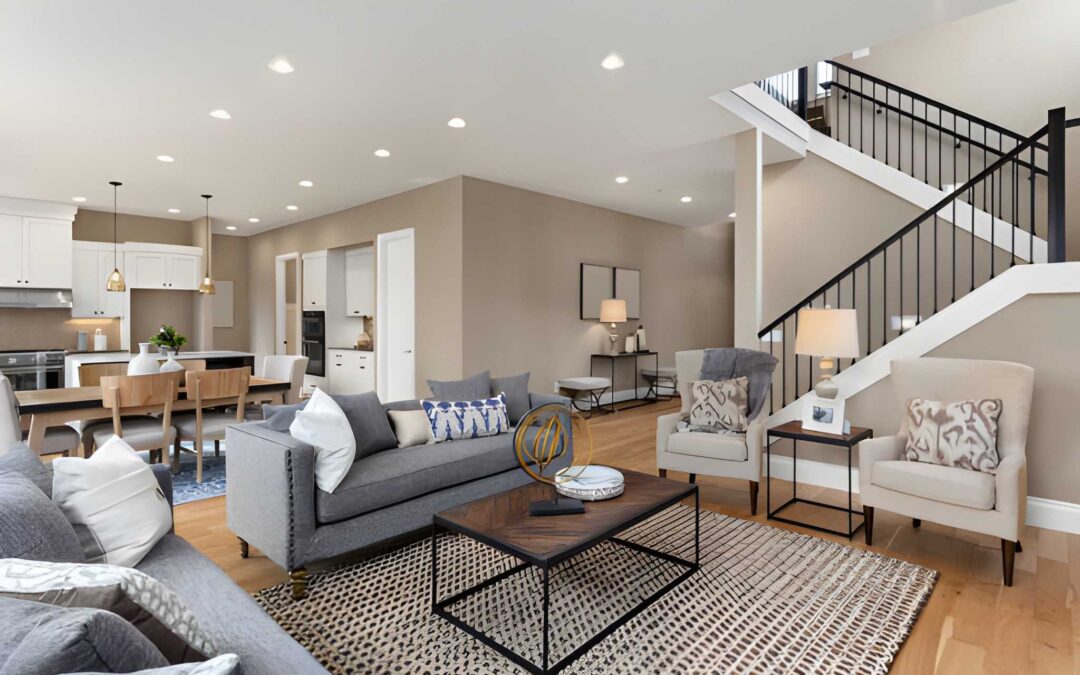
Open floor plan design transforms how families live and interact in their homes. Walls disappear between kitchens, dining rooms, and living spaces. This creates a flowing environment where natural light spreads freely and conversations happen naturally. Understanding open floor plan design helps you maximize space, improve functionality, and create a home that fits modern lifestyles perfectly.
What Makes Open Floor Plan Design Work Best?
Creating successful open floor plan design requires more than removing walls. You need thoughtful planning to balance openness with privacy, noise control, and defined spaces. These ten strategies help you design an open floor plan that looks beautiful and functions perfectly for your family.
Define Zones Without Walls
Open floor plan design needs visual separation between areas. You create distinct zones while maintaining the open feeling.
Zone-defining techniques:
- Area rugs anchor different spaces
- Furniture arrangement creates boundaries
- Ceiling height changes mark transitions
- Lighting fixtures define activity areas
- Flooring material shifts signal room changes
A large rug under your dining table separates it from the living area. Your sofa’s back creates a natural division. These subtle boundaries organize the space without blocking views or light.
Color schemes can differentiate zones too. Kitchen cabinets in one tone and living room walls in another help define purposes. The colors coordinate but create visual distinction.
Plan for Traffic Flow
Open floor plan design must guide movement smoothly through spaces. Poor traffic patterns disrupt activities and create bottlenecks.
Traffic flow considerations:
- Create clear paths between main areas
- Avoid placing furniture in walkways
- Allow 36 inches minimum for circulation
- Position entries and exits strategically
- Keep high-traffic zones away from sitting areas
Map how family members move through your home daily. From bedroom to kitchen in the morning. From garage to living areas after work. Your open floor plan design should support these natural patterns.
The kitchen work triangle still matters in open layouts. You need efficient movement between sink, stove, and refrigerator. Traffic shouldn’t cut through this zone during meal preparation.
Balance Openness with Privacy
Not every moment needs sharing. Open floor plan design includes strategies for occasional privacy and quiet.
Privacy solutions for open plans:
- Pocket doors hide when open, seal when needed
- Sliding barn doors add style and function
- Curtains create temporary divisions
- Accordion walls offer flexible separation
- Strategic furniture placement provides visual barriers
Bedrooms and bathrooms stay separate in open floor plan design. The public spaces flow together. Private spaces remain enclosed. This balance suits family life better than completely open homes.
Home offices need quiet concentration. Position them away from main activity areas. Glass walls maintain visual connection while blocking sound. You stay part of family life without constant interruption.
Control Noise and Acoustics
Sound travels freely in open floor plan design. This creates challenges for different activities happening simultaneously.
Acoustic management strategies:
- Add soft furnishings that absorb sound
- Install carpet or rugs in conversation areas
- Use acoustic ceiling panels
- Choose upholstered furniture over hard surfaces
- Add curtains or fabric wall panels
Hard surfaces reflect sound and create echo. Wood, tile, and glass look beautiful but amplify noise. Balance these with sound-absorbing materials. Heavy curtains, plush rugs, and fabric furniture reduce noise levels significantly.
Kitchen activities create considerable noise. Range hoods, dishwashers, and food prep generate sound. Open floor plan design should position these areas thoughtfully. An island provides some buffer between kitchen and living spaces.
Create a Cohesive Design Style
Open floor plan design demands visual unity. You see multiple spaces simultaneously. They need to work together harmoniously.
| Design Element | Coordination Strategy |
| Color Palette | Use 3-5 colors throughout |
| Flooring | Continue same material or coordinate styles |
| Lighting | Match metal finishes and design language |
| Furniture | Coordinate styles and scale |
| Window Treatments | Use consistent approach |
Your open floor plan design flows when elements repeat across zones. The same wood tone in kitchen cabinets and dining furniture creates connection. Light fixtures in matching finishes tie spaces together visually.
You can vary colors slightly between zones. The living room might use lighter shades while the dining area features deeper tones. The variations stay within one color family. This provides interest without chaos.
Maximize Natural Light
Open floor plan design excels at distributing natural light throughout spaces. Proper window placement multiplies this benefit.
Natural lighting strategies:
- Place large windows on multiple walls
- Use glass doors to outdoor spaces
- Minimize window treatments when possible
- Choose light-reflecting paint colors
- Position mirrors to bounce light deeper
Light from kitchen windows reaches the living area. Dining room windows illuminate the kitchen. This cross-lighting reduces the need for artificial light during daytime. Your energy bills drop and your mood improves.
Skylights add dramatic natural light to open floor plan design. They brighten central areas that exterior walls can’t reach. The vertical light creates interesting shadows and highlights throughout the day.
Design an Effective Kitchen Layout
The kitchen anchors most open floor plan design. It receives the most attention and serves multiple functions.
Open kitchen essentials:
- Islands create workspace and separation
- Peninsulas extend counter space
- Bar seating connects kitchen to living areas
- Storage hides clutter from view
- Ventilation removes cooking odors
Your kitchen island acts as a social hub. Family and guests gather here naturally. Design adequate seating. Provide enough counter space for both food prep and casual dining.
Storage matters tremendously in open floor plan design. Exposed kitchens show everything. You need smart organization systems. Pantries, deep drawers, and closed cabinets keep spaces looking clean. Open shelving works only if you maintain perfect organization.
Incorporate Flexible Furniture
Open floor plan design benefits from furniture that serves multiple purposes and moves easily.
Multi-functional furniture ideas:
- Ottoman storage provides seating and organization
- Expandable dining tables adapt to guest counts
- Rolling carts offer mobile serving stations
- Folding chairs store flat when not needed
- Modular sectionals rearrange for different needs
Lightweight furniture moves for parties or family gatherings. You rearrange seating for movie nights versus conversation. This flexibility makes open floor plan design work for various activities.
Scale matters in open layouts. Furniture that’s too small looks lost. Oversized pieces overwhelm the space. Choose appropriately sized items that fill zones without crowding. Leave enough empty floor space to maintain the open feeling.
Add Architectural Interest
Open floor plan design needs visual interest beyond furniture. Architectural features create focal points and character.
Architectural elements to include:
- Exposed beams add rustic or modern character
- Coffered ceilings define formal areas
- Built-in shelving provides storage and display
- Fireplace walls anchor living spaces
- Statement staircases become art pieces
A beautiful fireplace draws the eye and organizes furniture placement. Built-in bookcases add storage without eating floor space. These permanent features give your open floor plan design structure and personality.
Ceiling treatments differentiate zones dramatically. A tray ceiling over the dining area signals its importance. Exposed beams in the living space add warmth. These overhead elements define spaces while maintaining openness below.
Plan Adequate Storage
Open floor plan design shows everything. Clutter destroys the aesthetic immediately. You need abundant, organized storage.
Hidden storage solutions:
- Floor-to-ceiling cabinetry maximizes capacity
- Window seat storage serves dual purposes
- Under-stair closets capture wasted space
- Mudroom organization contains daily items
- Built-in entertainment centers hide electronics
Every family member needs designated storage space. Coats, bags, shoes, and daily items require homes. Without adequate storage, open floor plan design becomes cluttered and stressful.
Kitchen storage deserves special attention. You need places for dishes, cookware, small appliances, and food. Pantries work better than scattered cabinets. One organized pantry beats multiple messy cabinets scattered throughout.
Room Size and Layout Guidelines
Different home sizes accommodate open floor plan design differently. Understanding standard dimensions helps you plan effectively.
| Home Size | Recommended Open Area | Key Considerations |
| 1,200-1,500 sq ft | 400-600 sq ft combined | Careful furniture selection |
| 1,500-2,000 sq ft | 600-800 sq ft combined | Multiple zone definition |
| 2,000-2,500 sq ft | 800-1,000 sq ft combined | Balanced openness and intimacy |
| 2,500+ sq ft | 1,000+ sq ft combined | Additional structural support |
Smaller homes benefit greatly from open floor plan design. Removing walls makes limited space feel larger. Larger homes need careful planning to avoid feeling cavernous or empty.
Structural beams may limit complete openness. Work with experienced designers who understand load-bearing requirements. They create maximum openness within structural constraints. Your safety depends on proper engineering.
Bring Your Open Floor Plan to Life
Open floor plan design creates modern, flexible living spaces that families love. These layouts improve natural light, facilitate interaction, and make homes feel more spacious. Success requires thoughtful planning beyond simply removing walls.
Consider how your family actually lives. Do children do homework near adults cooking dinner? Do you entertain frequently? Does someone work from home? Your open floor plan design should support these real activities.
Start with professional design services. Experienced designers understand structural requirements, traffic patterns, and spatial relationships. They help you avoid costly mistakes and create layouts that truly work.
Think long-term when planning your open floor plan design. Your needs will change over time. Flexible designs adapt as children grow, work situations evolve, and lifestyles shift.
Ready to design your perfect open floor plan? Poulsen Home Design specializes in creating beautiful, functional open floor plan design throughout Cache Valley and northern Utah. Mont Poulsen brings decades of experience crafting homes that families love living in. Contact us at (435) 512-5852 to discuss your vision. Visit poulsenhomedesign.com to view our portfolio and discover how thoughtful open floor plan design can transform your home into the perfect space for your family’s lifestyle.